-
Interview: Michaël Dudok de Wit talks The Red Turtle

Thanks to Courtney Small for assigning me this interview through Cinema Axis, Jen Gorman for arranging everything, and Mr. Dudok de Wit for the lovely conversation. On his recommendation, I am reading “The Famished Road” now!
-
Fantastic Catharsis in J. A. Bayona’s Phenomenal “A Monster Calls”

In J.A. Bayona’s A Monster Calls, the director mixes the hyper-reality of the agonizing struggles of a young boy named Conor O’Malley with a vibrant fantasy world involving a titanic tree monster. Like in Bayona’s previous feature El Orfanato (The Orphanage), reality and fantasy are blended together in fascinating ways, until it is not quite clear precisely what we are looking at. Though certainly a daunting task, Bayona and his performers manage to tell an engaging coming-of-age story about grief, coping, and the power of storytelling.
-
“Split” Showcases Strong Acting Talent and Intriguing Camerawork in Shayamalan’s Best Film Since “Unbreakable”

Night Shyamalan’s latest thriller Split will not make audiences forget about the director’s most embarrassing missteps, but the film evokes The Sixth Sense and Unbreakable more than The Happening and After Earth. The film follow the abduction of three teenage girls by a man with dissociative identity disorder (DID). Known to us as “Kevin”, the man harbors 23 distinct personalities, and as some of them begin to run things, we’re confronted with a powerful force living inside Kevin – a 24th personality known only as “The Beast”. The film is commendable for its uses of classic camera techniques to disorient the audience and ratchet up the more realistic aspects of the film, while downplaying the more fantastic and silly elements. Aided by two spectacular performances (and a collection of other strong ones), Split is easily the best film Shyamalan has made in over a decade – and may be second only to The Sixth Sense.
-
Why You Can’t Trust User Ratings from IMDB: A Case Study

It can be incredibly difficult to get a feel for the “critical consensus” for a new film, if there even is such a thing. But, online review aggregators like Rotten Tomatoes and Metacritic do their best to provide their readers with a general idea of the quality of a film, which I have discussed at length before. Today, I’d like to show a crystal clear example of why another metric, the User Ratings from IMDB.com, borders on absolute uselessness. Put bluntly, the site does not require that a person giving a rating has even seen the movie. The result is blatant vote-brigading, either artificially elevating a substandard film through the sheer size of the fanbase of its underlying intellectual property, or unjustly punishing a film for its perceived transgressions that are unrelated to the quality of the filmmaking. In the former case, we’ll look at Batman v. Superman: Dawn of Justice, and in the later, the more recent A Dog’s Purpose.
-
A Masterpiece Career – 12 Fantastic Films of Stanley Kubrick

As I mentioned in my State of the Blog post this month, I am planning a series of in-depth essays on the films of Stanley Kubrick. Near the end of each month, I will publish an essay on one of Kubrick’s films, and I intend these pieces to be worthy of the films that they are analyzing, not mere “reviews”. This will not be a trivial pursuit. And, I acknowledge that I may not be up to the Herculean task. Regardless, these are some of my favorite films, and I hope to enhance my enjoyment of them (and yours!) through analysis and discussion.
-
State of the Blog – January 2017

We’re just into 2017, and the time-honored tradition of celebrating a new year by accidentally writing down its predecessor first continues unabated. Though the early months of the year often struggle movie-wise, there are interesting things going on. These include a few intriguing films, the meaningless over-evaluation of Awards Season (and the vitriol it inspires), and even the beginning of the festival season. Here at Plot and Theme, I’ll reflect backwards a bit, mention some cool things I’m looking forward to, and then set some goals for the year.
-
Though a Product of the Stage, “Fences” Excels on the Strength of Davis and Washington
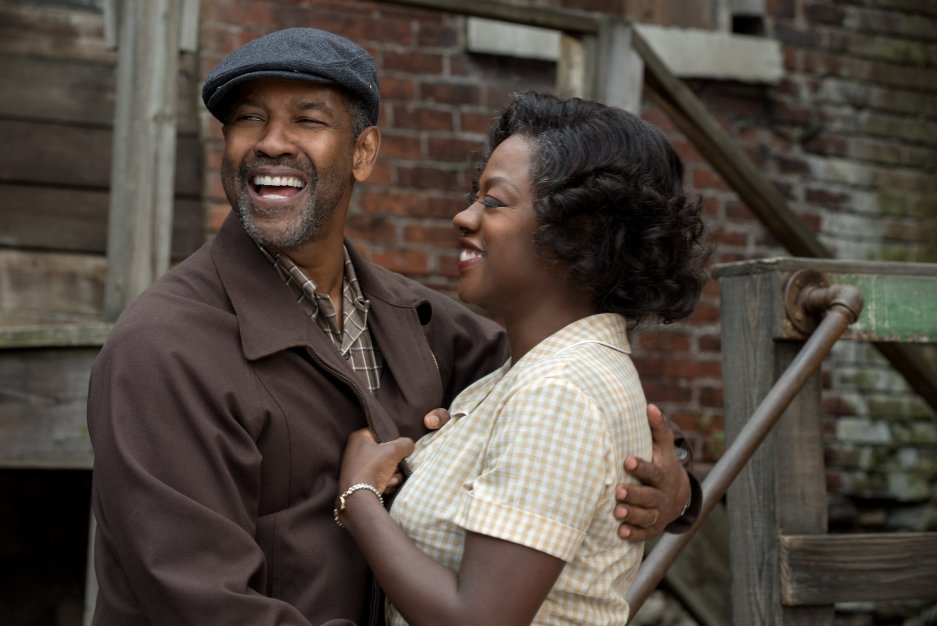
In Fences, the titanic talents of Denzel Washington and Viola Davis are once again on full display. The two reprise their roles from the 2010 revival of August Wilson’s play of the same name, for which each earned a Tony Award. The film certainly feels like a play, as the performances are very stylized towards the stage. Washington directs the film as well, making it his third feature, and first in nearly ten years. Though peppered with discussions of race relations in the 1950s, the core of the story focuses on the relationships between members of the Maxson family. Within this context, Fences explores the importance of responsibility, the strength and danger of a domineering personality, and the conflict between settling for something and seeking out your own desires in life. It is a small film, but packs quite a punch throughout.
-
My Top Ten Films of 2016 (Plus Lots More)

As 2016 draws to a close, it is the ideal time to reflect upon a fantastic year for film. Though the major tentpoles disappointed and suggest that the Big Hollywood machine is starting to sputter, this may be the single best year for film of the century, and I intend to argue the merits of each film on my Top Ten List.
-
Damien Chazelle’s “La La Land” is a Romantic Ode to Art and Dream-Seeking

In La La Land, the musical genre is simultaneously presented with a vibrant contemporaneity and a celebratory nostalgia for classic Hollywood. Around this structure, the film espouses timeless themes of self-doubt, settling and compromise, and the drive to follow one’s dreams – especially in the context of artistry. There are two great performances at the core of the film, Emma Stone as Mia and Ryan Gosling as Sebastian, multiple spectacular song-and-dance numbers, and a hyper-stylized aesthetic that blends reality and fantasy to perfection. Together, these elements make La La Land a wonderful marriage of plot, style, and theme, and one of the best films of the year (and best film musicals of recent memory).
-
The Edge of Seventeen – A Bittersweet and Sarcastic Exploration of Teenage Self-Discovery

In her directorial debut, Kelly Fremon Craig has nailed the awkward world of teenage angst in The Edge of Seventeen. Starring Academy Award Nominee Hailee Steinfeld, this coming-of-age film showcases some incredible acting talent, a real command of language, a distinctive comedic voice, and strong plotting elements. Though that peculiar brand of teenage ennui is apparent, there is an undeniable emotion and heart at the core of this story. Sometimes sad and angry, other times exalted and jubilant – and then right back to sad and angry, The Edge of Seventeen belongs right beside the classic coming-of-age films for portraying the challenge of growing up with practically perfect execution.

Film Criticism and Fiction Writing by Derek Jacobs